“Sustainable” has become one of the emptiest words in fashion. It’s printed on hangtags, stitched into campaigns, attached to collections of thousands of pieces. We’d rather not add to the noise. So instead of a promise, here is what we actually do — and what we haven’t figured out yet.
We make less, on purpose
Most of the Drop is sewn to order. When you place an order, your piece is cut and sewn in a small atelier and is ready in 5–7 days. You wait a few days longer — and we don’t fill warehouses with clothes nobody asked for. Overproduction is one of fashion’s quietest problems: a large share of what the industry makes never sells at full price, and some of it is never worn at all.
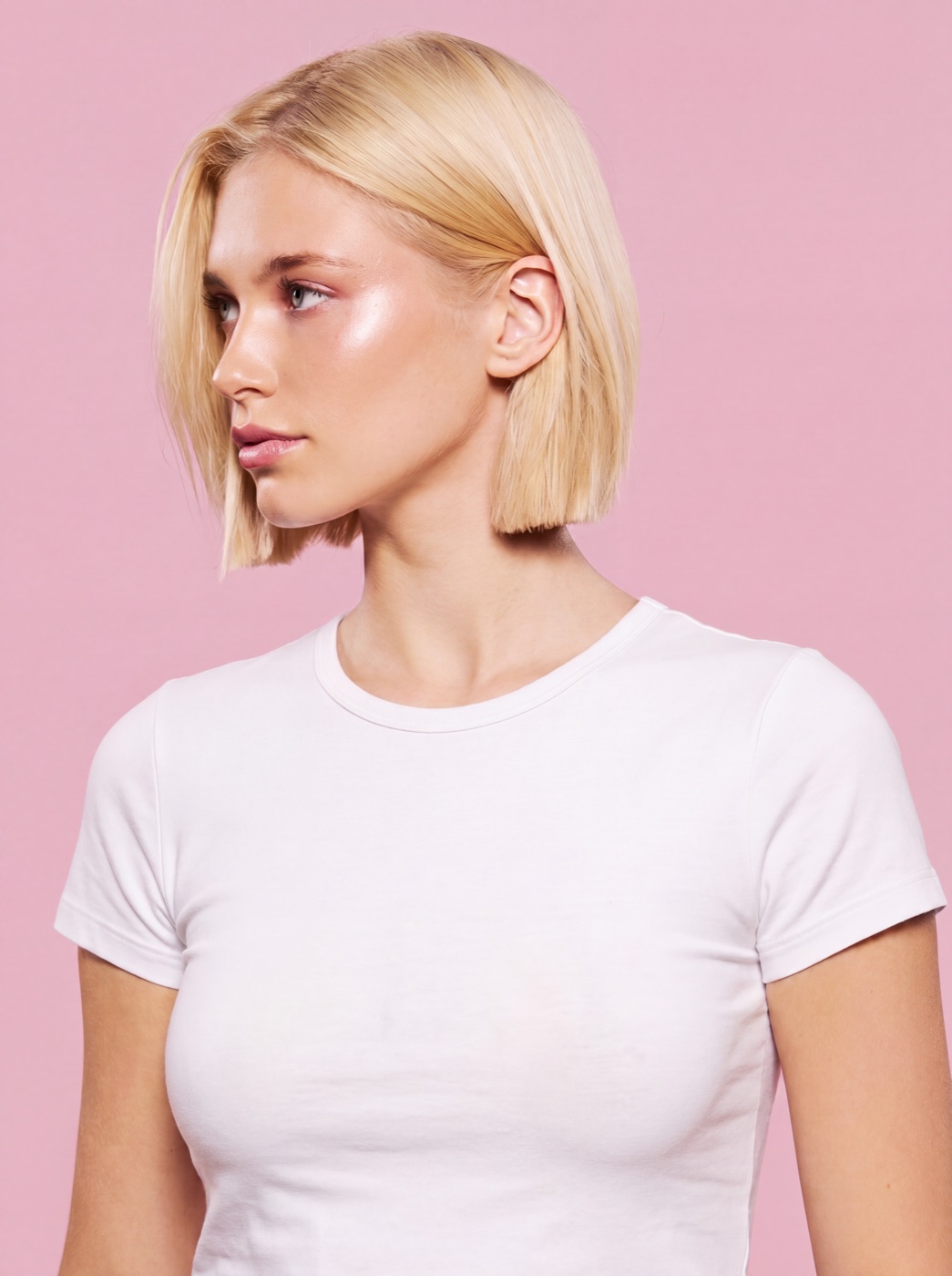
The pieces we keep in stock — our First Layer tees and longsleeves — are made in small, limited batches. When they sell out, we make more. Not before.
Fewer pieces, more outfits
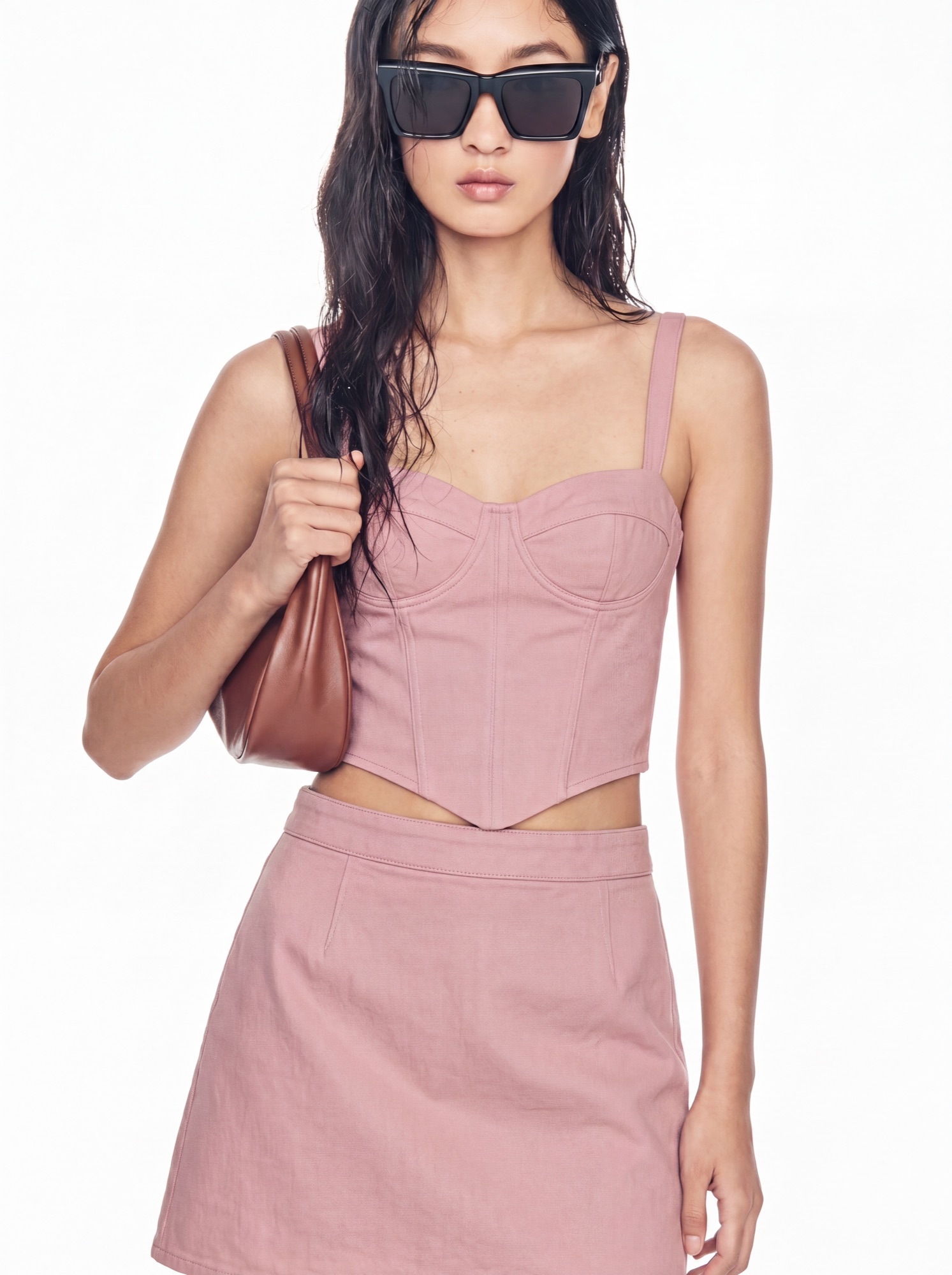
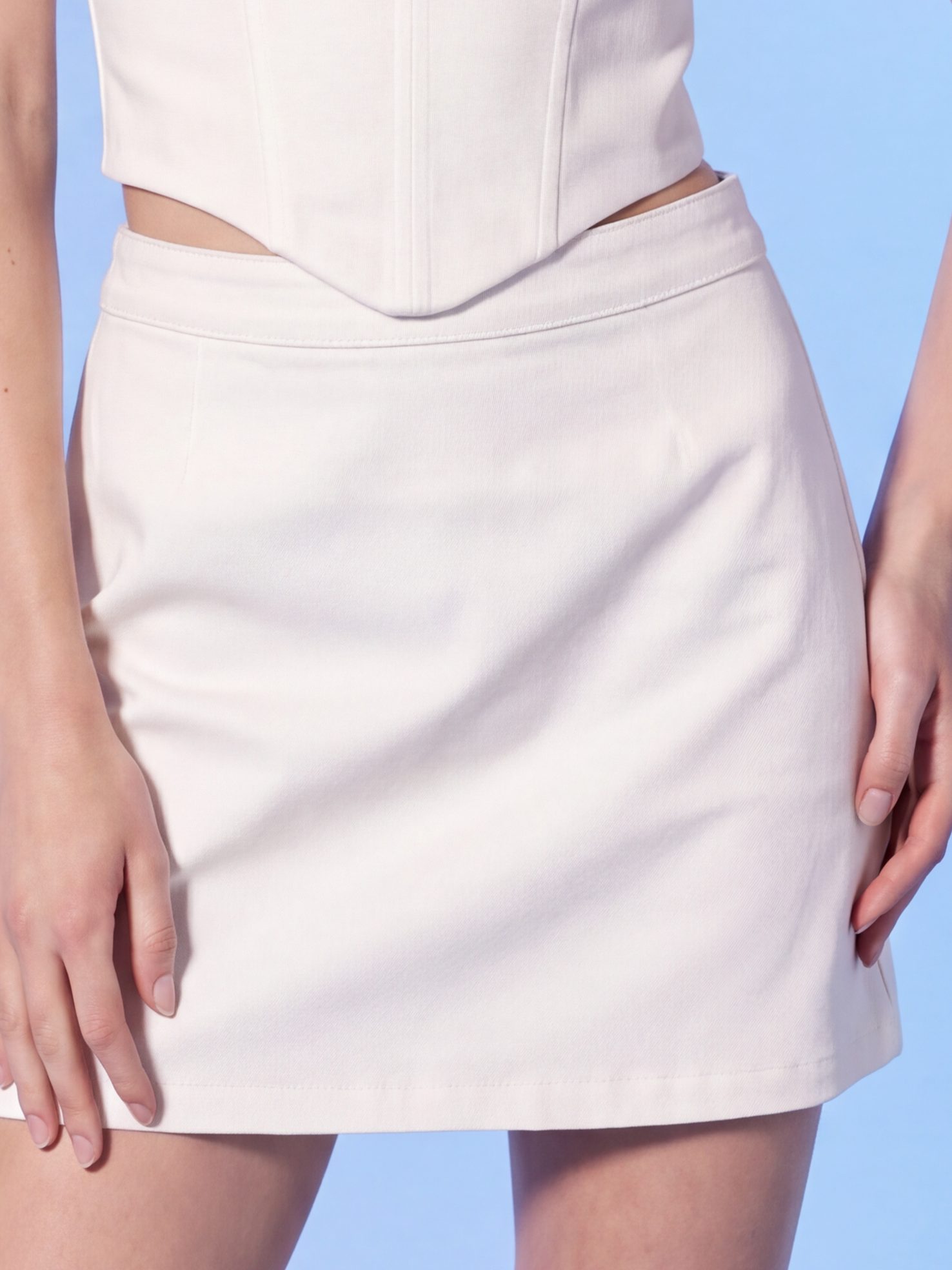
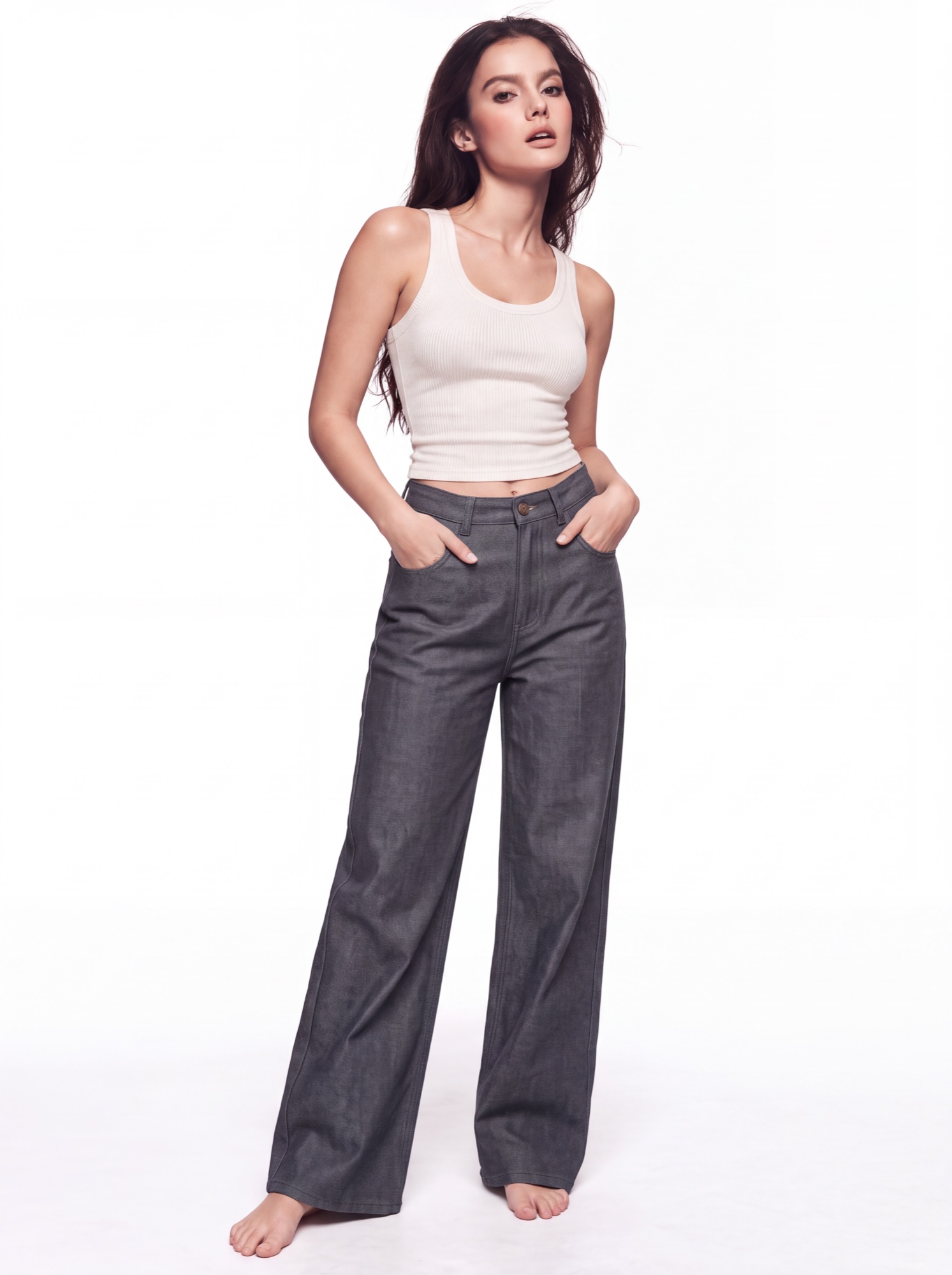
The Drop is built like a capsule. The corset works with the twill skirts and with jeans; the longsleeve layers under the dresses; the tee goes with everything. A wardrobe that works together needs fewer purchases — and that may be the most sustainable thing about it.
The greenest piece of clothing is the one already in your wardrobe. The next greenest is the one you’ll keep.
Cost per wear
A 7 100 ₽ T-shirt sounds expensive next to a 700 ₽ one. But wear ours twice a week for three years and it comes to about 23 ₽ a wear. Wear the cheap one ten times before it twists out of shape, and it costs 70 ₽ a wear. Price is what you pay once. Cost per wear is what a piece really costs you.
Nothing plastic, nothing extra
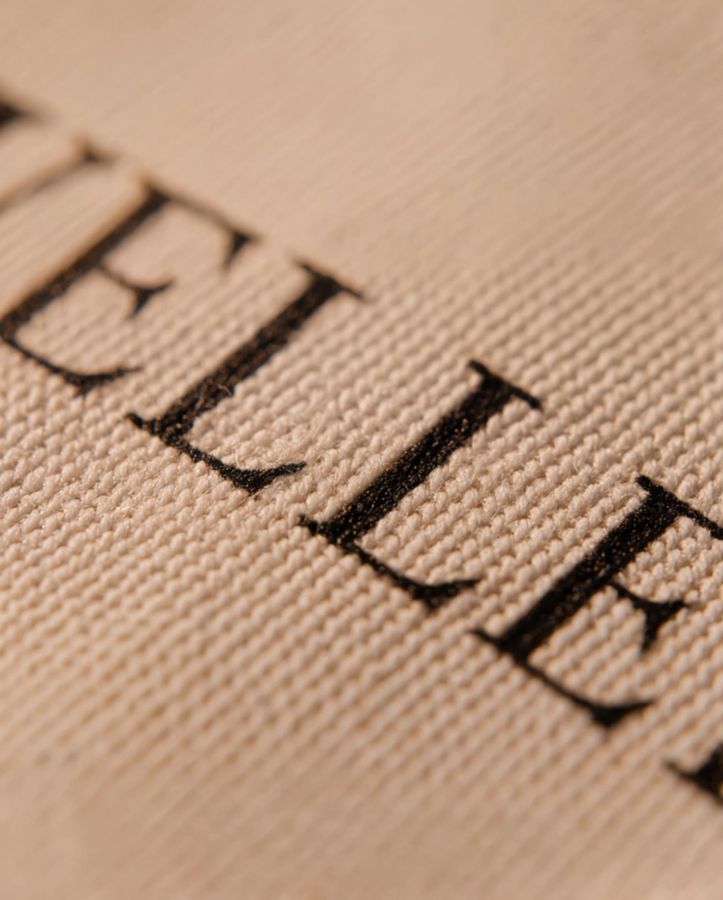
Your order arrives in a cotton pouch with a paper tag and a card. No plastic bags, no glossy boxes. The pouch is meant to stay with you — for travel, for shoes, for whatever you like.
What we haven’t solved
We’d be lying if we said we were done. Shipping still has a footprint, and making any new garment uses resources. No brand that makes new clothes is truly “sustainable” — we can only be more careful. We’ll keep telling you what we change, as we change it.
What you can do
- Buy what you’ll wear at least thirty times.
- Wash less, and at lower temperatures.
- Repair before you replace.
- Pass it on when you’re done with it.